
Storm season roofing work doesn’t wait for you to get organized. It starts fast, moves in waves, and the contractors who are prepared before the first hail falls are the ones who close the most jobs — and get paid the most on each one. If you’ve been meaning to tighten up your supplement process, the time is now. It’s not coming. It’s already here.
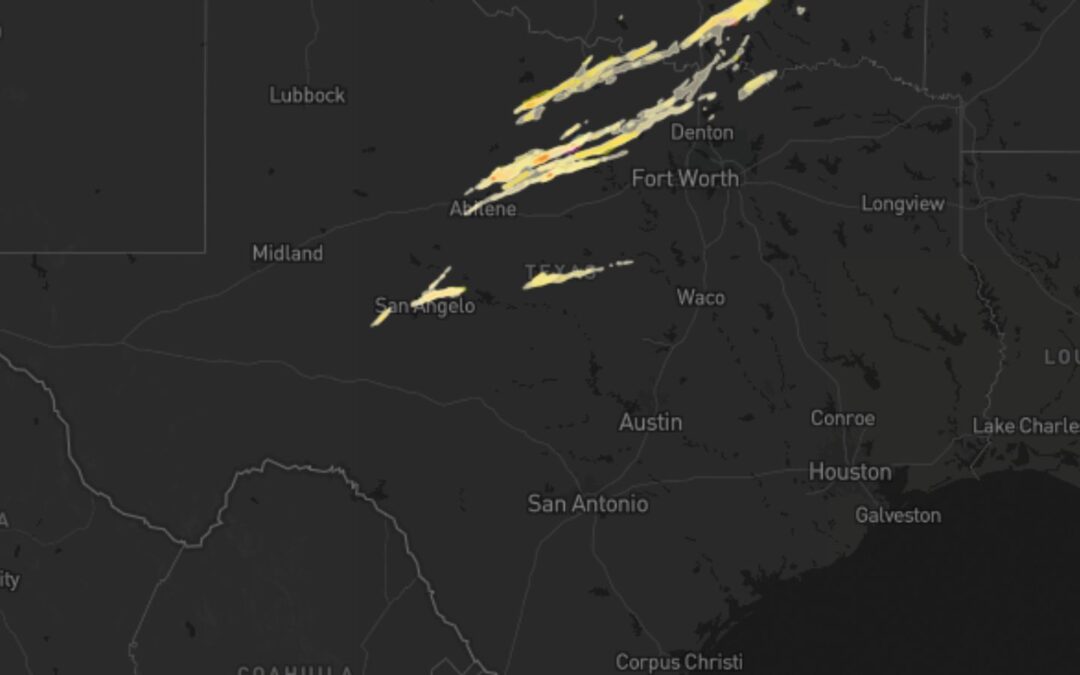
On April 15, 2026, 68 hail reports were logged in a single day across Texas, Kansas, Nebraska, Oklahoma, and several other states — with stones reaching baseball size in parts of Iowa. That’s on top of a multi-day severe weather system that had already been dropping large hail and spawning tornadoes across the Southern Plains and Upper Midwest since earlier in the week. Storm season isn’t building toward a peak. It’s already producing.
What “Being Ready” Actually Means for Insurance Roofers
Most roofing contractors think about storm readiness in terms of crew capacity, materials, and canvassing. Those things matter. But the contractors who consistently pull the most profit out of a storm season are also the ones who have their back-end process dialed in — specifically, how they handle insurance estimates and supplements.
Here’s the reality: when storms hit fast and volume spikes, the estimating side of the business is almost always the bottleneck. Adjuster meetings pile up. Scopes come back light. Supplements need to be built and submitted. If you don’t have a system in place before the work comes in, you end up leaving money on the table just to keep jobs moving.
That’s where having a professional supplement estimating partner changes things. Instead of your team scrambling to keep up with claim paperwork during your busiest months, you have an experienced estimating team handling that side of the operation — finding the missed line items, building the documentation, and pushing through the supplements while your crews stay focused on production.
The Markets Already Getting Hit
If you operate in Texas, Oklahoma, Kansas, or Nebraska, the storm season roofing pipeline is already open. These are some of the highest-volume hail markets in the country, and they reward contractors who know how to work insurance claims efficiently. The difference between a good storm season and a great one often comes down to what percentage of each job you actually collect — not just how many jobs you close.
Colorado is in the same boat. The Front Range and Eastern Plains see some of the most consistent severe hail activity in the United States, and storm season there runs well into summer. If you’re working those markets, the same preparation principles apply.
What Gets Missed When Volume Spikes
When a contractor goes from running five jobs a week to fifteen, the details that get dropped first are usually the ones that cost the most. On insurance work, the most common areas where money gets left behind during busy season include:
- Code upgrade line items (ice and water shield requirements, drip edge, ventilation)
- Overhead and profit, which carriers frequently omit and many contractors don’t pursue
- Permit fees and disposal costs
- Detach and reset items like satellite dishes, gutters, or HVAC equipment
- Starter course, ridge cap, and hip and ridge quantities
- Steep slope and story height adjustments
None of these are obscure — they’re standard components of a complete roofing scope. But when you’re busy, reviewing every adjuster estimate line by line falls to the bottom of the list. A supplement estimating service doesn’t let that happen. Every claim gets the same thorough review, regardless of how many jobs you have running at once.
Documentation Is the Foundation
Strong supplements start with strong documentation, and storm season is when documentation discipline tends to slip. Crews are moving fast. Photos get skipped or are too rushed to be useful. When the adjuster’s estimate comes back light and you want to dispute it, your case is only as strong as the evidence you captured at inspection.
Before this storm season gets any deeper, it’s worth walking your team through what documentation actually needs to happen on every job. There’s a solid breakdown of the photos that matter most for maximizing storm damage payouts — make sure your crews know that list cold before they’re on roofs in high-volume weeks.
Getting Your Supplement Process Set Up Now
The worst time to set up a new process is when you’re already buried in work. If you don’t currently have a supplement pipeline — or you’re handling it in-house and falling behind — the window to get that sorted is right now, before the next wave of storms rolls through.
TotalScope’s process is built for exactly this kind of scale. They work with roofing contractors across Texas, Oklahoma, Colorado, and beyond, and they specialize in storm restoration claims. Their team takes on the supplement workload so you don’t have to slow down production to keep up with paperwork.
If you’re heading into a busy storm season and want to make sure you’re capturing everything you’re owed on every job, reach out and start the conversation now. Don’t wait until you’re already behind.