
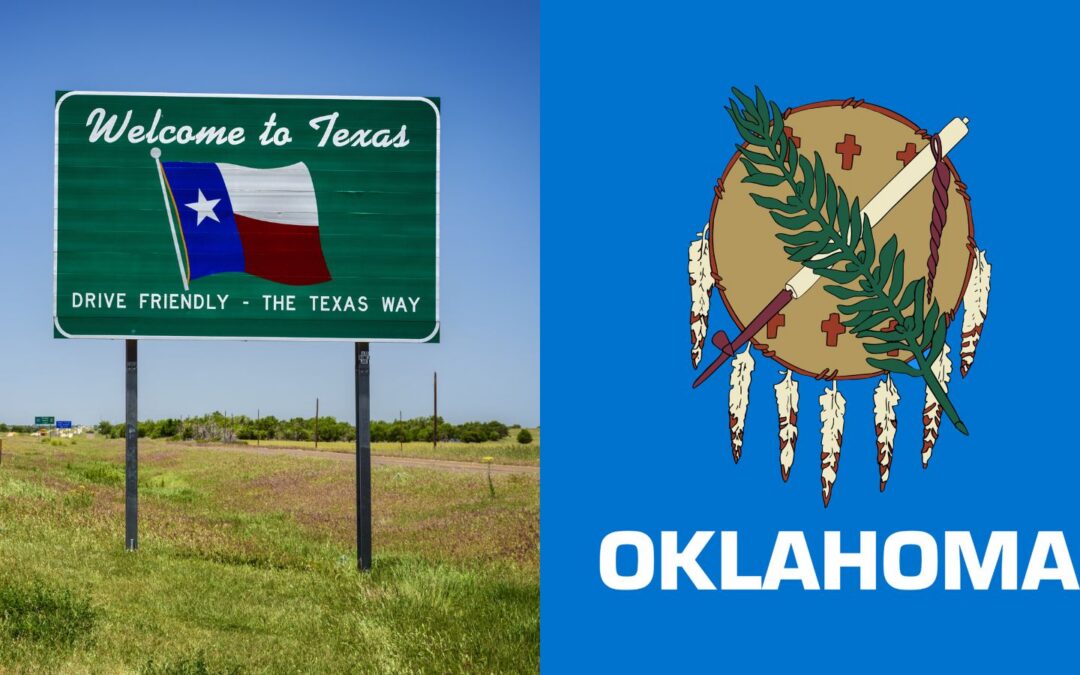
Texas and Oklahoma are two of the most active storm damage roofing markets in the country. Between spring supercells, hail seasons that start in March and run through June, and the sheer volume of insurance claims those storms generate, contractors operating in these states have a built-in revenue opportunity — but only if they know how to navigate the claims process. The difference between a good storm season and a great one almost always comes down to what happens after the job is approved, not during it.
Why These Two Markets Are Different From the Rest
Texas and Oklahoma sit at the heart of what meteorologists call Hail Alley — the corridor stretching from the Texas Panhandle through Oklahoma, Kansas, and Nebraska that sees some of the most frequent and severe hail activity in the world. NOAA data consistently shows these states among the highest in annual severe weather events, with large hail (one inch diameter or greater) reported dozens of times per year in major metro areas including Dallas-Fort Worth, San Antonio, Oklahoma City, and Tulsa.
That frequency creates opportunity — but it also creates a claims environment where adjusters are stretched thin, initial estimates are rushed, and carriers have strong institutional incentives to minimize early payouts. Storm damage roofing contractors in Texas and Oklahoma who treat the adjuster’s first estimate as the final word are routinely leaving 15–30% of their job value uncollected.
The Texas Claims Landscape: What Contractors Face
Texas is one of the most complex states for insurance restoration roofing, and not just because of the storm volume. The Dallas-Fort Worth Metroplex alone generates more roofing insurance claims in an active season than many states see in a decade — and the carrier and adjuster environment there reflects it. DFW roofing insurance claims come with their own set of challenges that contractors moving into that market need to understand before they start submitting scopes.
A few things that define the Texas claims environment:
- Texas has specific statutory requirements around how deductibles are handled. As of 2019, state law prohibits contractors from waiving or absorbing a policyholder’s deductible — make sure your contracts and sales process reflect this.
- Carriers operating in Texas tend to be aggressive about depreciation on roofs over ten years old, sometimes pushing ACV-only settlements even on RCV policies. Know the policy type before you start the job.
- Code upgrades — drip edge requirements, updated ventilation standards, ice and water shield requirements in certain climate zones — are frequently omitted from adjuster scopes and are among the most consistently recoverable supplement line items in the state.
- The Texas Department of Insurance publishes guidance on homeowner rights in storm claims that contractors can reference when carriers push back on legitimate supplement requests.
The Oklahoma Claims Landscape: What Contractors Face
Oklahoma is one of the most storm-active states in the country by frequency, and the claims environment follows accordingly. Oklahoma City and Tulsa both see multiple significant hail events most years, and rural areas across central and western Oklahoma are hit regularly by supercell systems that can produce golf ball-sized hail or larger.
What distinguishes Oklahoma from Texas on the claims side:
- Oklahoma carriers tend to be somewhat more consistent on RCV vs. ACV application, but supplement approvals still vary significantly by carrier and adjuster. Documentation quality is the most reliable lever contractors have.
- The Oklahoma Insurance Department provides consumer and contractor resources on storm claim handling that are useful when navigating disputes or delays.
- Rural and suburban Oklahoma jobs often involve older housing stock where code upgrades are more extensive — and more supplementable — than in newer construction areas.
- Storm chasers and out-of-state contractors flood the Oklahoma market after major events. Local and regional contractors with established relationships and a clean supplement record have a real advantage with homeowners who’ve been burned before.
What Gets Left on the Table in Both States
Across Texas and Oklahoma, the line items most consistently missed on adjuster scopes are the same ones that show up in storm markets everywhere — with a few regional wrinkles:
- Overhead and profit: frequently omitted, always worth pursuing on general contractor-level jobs
- Drip edge: required by code in both states; regularly missing from adjuster scopes
- Permits: both states require permits on roof replacements in most jurisdictions; these should be in every scope
- Starter course and hip/ridge quantities: often miscounted on aerial-based adjuster measurements
- Steep slope and story height adjustments: particularly relevant in the DFW and OKC markets with their range of home styles
- Detach and reset: satellite dishes, gutters, HVAC equipment, and skylights are frequently omitted
Capturing these consistently requires a disciplined supplemental estimating process on every job — not just the ones that look complex at first glance. Some of the best supplements come from jobs that seemed straightforward until someone reviewed the adjuster scope carefully.
Documentation Is the Variable You Control
In Texas and Oklahoma storm markets, where adjusters are often working from aerial measurements and brief site visits, the documentation your crews produce at inspection is frequently the best evidence you have when a supplement gets pushed back. Specific, thorough photos — starter course condition, existing underlayment, valley liner, step flashing, pipe boots, shingle layers — give your estimating team what they need to build a defensible case.
The role of documentation in getting claims paid in full is covered in depth in this breakdown of storm damage claim documentation. Make it part of your crew standard before the next system rolls through.
How TotalScope Supports Contractors in Texas and Oklahoma
TotalScope works with storm damage roofing contractors across Texas and Oklahoma — from the DFW Metroplex and San Antonio to Oklahoma City and Tulsa — handling the supplemental estimating process from scope review through final approval. Their team knows the carrier tendencies in these markets, understands the state-specific code and documentation requirements, and builds supplements in Xactimate that speak the carrier’s language.
If you’re running insurance restoration jobs in Texas or Oklahoma and want to make sure you’re capturing everything you’re owed on every job, reach out to TotalScope to start the conversation. You can also review how roofers win more hail damage claims in these markets for a broader look at the full claims strategy, or check out the state-by-state estimating guide for a deeper look at how Texas and Oklahoma compare to the rest of the storm belt.
Frequently Asked Questions: Storm Damage Roofing in Texas and Oklahoma
Why are Texas and Oklahoma such difficult states for roofing insurance claims?
Both states sit in the heart of Hail Alley and generate some of the highest storm claim volumes in the country. That means adjusters are stretched thin after major events, initial estimates are often rushed, and carriers have strong financial incentives to minimize early payouts. Contractors who accept the first adjuster scope without reviewing it are routinely leaving 15–30% of their job value uncollected.
What line items are most commonly missed on adjuster scopes in Texas and Oklahoma?
The most consistently omitted items include overhead and profit, drip edge, permit fees, starter course and hip/ridge quantities, steep slope and story height adjustments, and detach-and-reset costs for gutters, satellite dishes, HVAC equipment, and skylights. Code upgrade line items — including updated ventilation standards and ice and water shield requirements — are also frequently missing and among the most recoverable items on Texas claims specifically.
Is it legal for roofing contractors in Texas to waive a homeowner’s insurance deductible?
No. Texas law, in effect since 2019, prohibits roofing contractors from waiving, absorbing, or rebating a policyholder’s deductible. Violating this statute can result in significant penalties for both the contractor and the homeowner. Make sure your contracts and sales process reflect this requirement before you take on insurance restoration work in Texas.
How does documentation affect supplement approvals in these markets?
In Texas and Oklahoma, where adjusters often work from aerial measurements and brief site visits, the photos and documentation your crews produce at inspection are frequently your strongest evidence when a supplement gets pushed back. Detailed photos of starter course condition, existing underlayment, valley liner, step flashing, pipe boots, and shingle layers give your estimating team the evidence they need to build a defensible supplement that carriers can approve without a fight.
Does TotalScope handle supplemental estimating for contractors in both Texas and Oklahoma?
Yes. TotalScope works with storm damage roofing contractors across Texas and Oklahoma — including the DFW Metroplex, San Antonio, Oklahoma City, and Tulsa — handling the full supplemental estimating process from scope review through carrier resolution. Our team understands the carrier tendencies, code requirements, and documentation standards specific to both states.